Power Tool
Drill Press
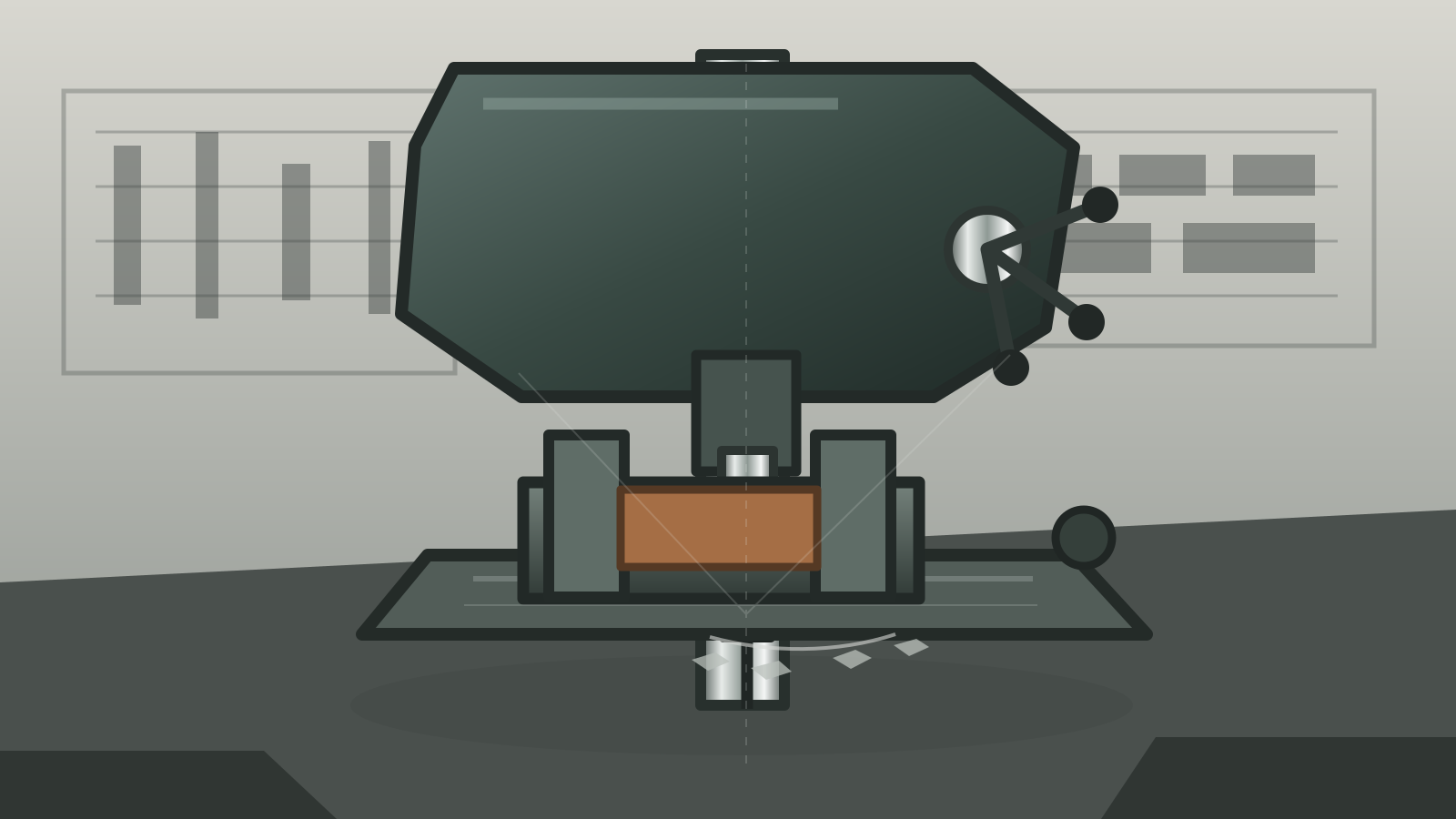
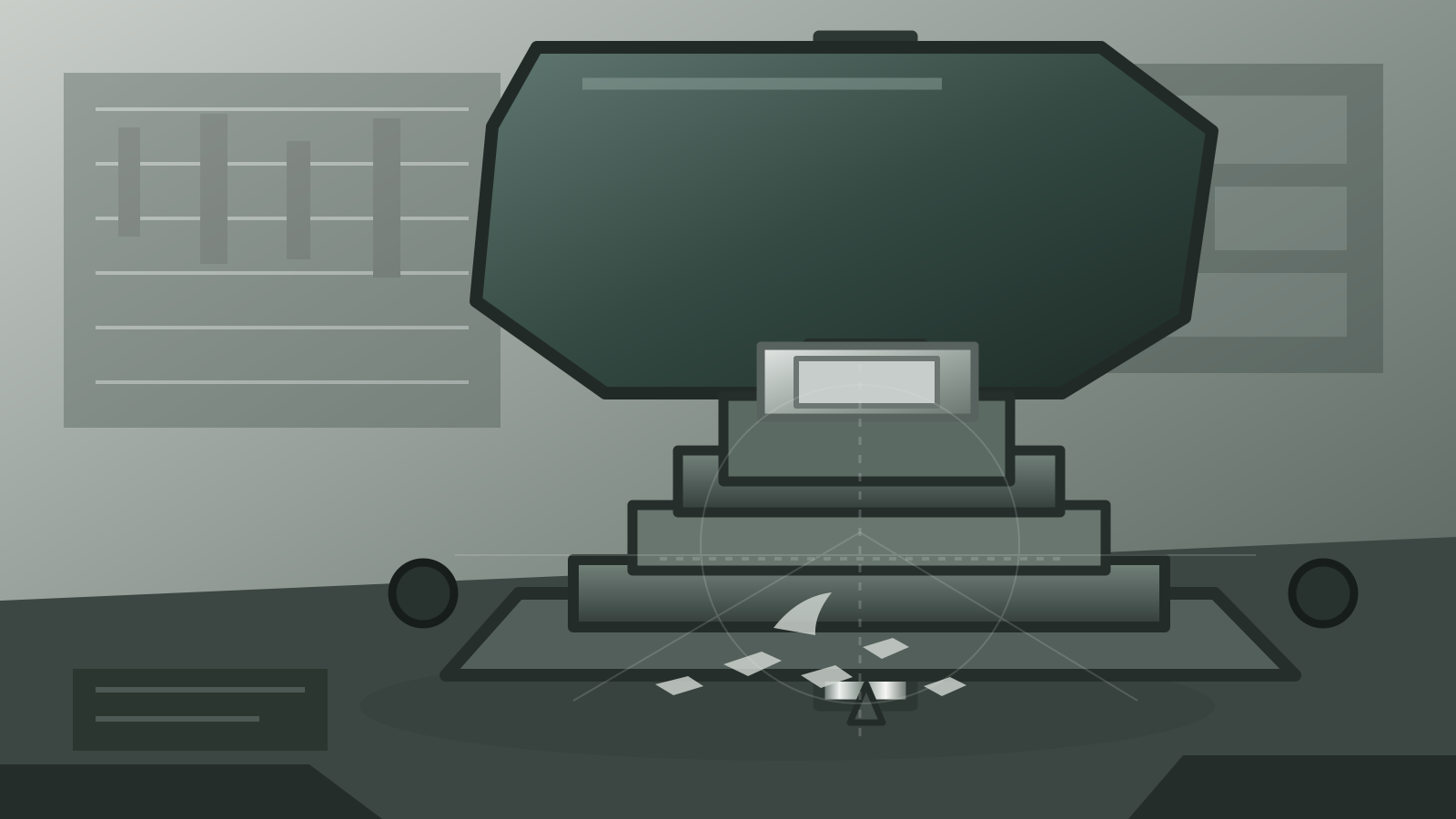
Drill presses are stationary drilling machines that guide a rotating spindle and chuck vertically toward a workpiece supported on an adjustable table.
Types · Capacity · Bits, Chuck and Speed · Setup · Workholding · Materials · Safety · Articles
Drill press types
Drill presses share the same basic vertical drilling layout, but machine size and mounting style affect capacity, workspace, and portability.
| Type | Typical role | Strengths | Tradeoffs |
|---|---|---|---|
| Benchtop | Home workshops and smaller workpieces | Compact and easier to place | Less vertical capacity than larger machines |
| Floor-standing | Larger workpieces and dedicated workshop use | More table-to-spindle space and a larger working envelope | Requires more floor space |
Drill press capacity and specifications
Drill press capacity depends on swing, spindle travel, table clearance, and motor power, which together define the size and depth of work the machine can handle.
| Specification | What it describes | Why it matters |
|---|---|---|
| Swing | The nominal working diameter based on the distance from the spindle centerline to the column | Indicates how far toward the center of a wider workpiece the spindle can reach |
| Spindle or quill travel | Maximum vertical movement of the spindle during a drilling stroke | Limits the depth that can be drilled in one feed without repositioning |
| Table-to-chuck clearance | Available vertical space for the workpiece, vise, fixture, and bit | Affects the height of work that can be positioned beneath the spindle |
| Motor power | Power available to drive the spindle under load | Matters for demanding cuts, but does not by itself define swing, travel, chuck size, or workpiece clearance |
Drill press bits, chuck and speed
Bit type, chuck capacity, cutting diameter, material, and spindle speed work together, so each should be matched to the machine and drilling operation.
| Bit or setup | Typical role | Practical consideration |
|---|---|---|
| Twist drill | General drilling in metal, wood, plastic, and other compatible materials | Choose bit material and geometry for the workpiece and reduce spindle speed as cutting diameter and load increase where the bit guidance calls for it |
| Brad-point bit | Accurate holes in wood | The center point helps locate the hole while the outer spurs help produce a cleaner entry |
| Forstner bit | Flat-bottomed and larger-diameter holes in wood | Larger diameters generally require lower spindle speed and firm workholding |
| Hole saw | Large-diameter holes in compatible wood, metal, plastic, and other rated materials | Match the saw to the material and use an arbor, spindle speed, and machine capacity appropriate for the diameter |
| Countersink | Chamfering or preparing a hole for a countersunk fastener | Use controlled speed and light feed to limit chatter and produce an even finish |
| Chuck capacity | Range of compatible straight-shank bit diameters | Match the bit shank to the chuck's stated range; chuck capacity is not the same as maximum hole diameter |
| Keyed or keyless chuck | Clamping compatible straight-shank bits and accessories | Seat the shank correctly, tighten it securely, and remove a chuck key before starting the machine |
| Spindle speed | Matching RPM to bit diameter and workpiece material | Use the machine's belt, pulley, or variable-speed adjustment to select a speed within the machine and bit manufacturers' guidance; larger cutting diameters commonly call for lower spindle speeds |
Drill press setup and accuracy
Accurate drill press work depends on table position, squareness, depth control, and low runout so the bit follows the intended path consistently.
| Setup factor | What it affects | Practical check |
|---|---|---|
| Table height | Workpiece clearance and useful quill travel | Position the table so the work and fixture fit while leaving enough spindle travel for the hole |
| Table angle and squareness | Whether the drilled hole is perpendicular or intentionally angled to the work surface | Square the table to the spindle for perpendicular drilling or set and verify the required tilt for angled work |
| Depth stop | Repeatable drilling depth | Set and test the stop when multiple holes need the same depth or a through-hole must be controlled |
| Bit and chuck alignment | Runout, hole quality, and drilling accuracy | Confirm the bit is seated straight and investigate excessive visible runout before drilling precision work |
Drill press vises and workholding
Drill press workpieces should be supported and restrained with a vise, clamps, stops, or shaped supports so the rotating bit cannot grab and spin them.
| Method | Typical use | Key consideration |
|---|---|---|
| Drill press vise | Small metal, wood, or plastic parts that fit securely between jaws | Clamp the vise or otherwise secure it to the table when the operation could rotate or shift it |
| Table clamps | Larger or irregular workpieces | Place clamps clear of the bit, chuck, feed handles, and intended drilling path |
| Fence and stop block | Repeat drilling at a consistent offset or position | Use a stable reference without trapping the workpiece in a way that creates a pinch or rotation hazard |
| Backing board | Supporting thin material and reducing breakout in through-holes | Secure the workpiece and backing together so neither can move as the bit exits |
| V-block or shaped support | Round stock and other work that can roll | Prevent the workpiece from rotating or shifting instead of relying on hand pressure |
Drill press materials
Drill press setup should match the workpiece material, with bit type, spindle speed, feed pressure, workholding, lubricant, and backing selected for the job.
| Material or task | Typical bit or accessory | Useful guidance |
|---|---|---|
| Wood | Twist, brad-point, Forstner, spade, or wood-rated hole saw | Use backing where needed to reduce breakout and choose speed based on bit type and diameter |
| Steel and ferrous metal | Sharp metal-rated twist bit, step bit, or compatible hole saw | Secure the workpiece, use an appropriate spindle speed, and use suitable cutting fluid when the bit or material guidance calls for it |
| Aluminum and non-ferrous metal | Sharp metal-rated bit | Use controlled speed, clear chips, and use an appropriate lubricant when recommended for the bit and alloy |
| Plastic and acrylic | Sharp bit suitable for the specific plastic | Support the material and use controlled speed and feed to reduce melting, grabbing, breakout, or cracking |
| Thin sheet | Step bit or other sheet-compatible drill where appropriate | Support and clamp the sheet securely because thin material can catch and spin if left uncontrolled |
Drill press safety
Drill press safety depends on securing the workpiece, removing the chuck key, keeping loose items clear, controlling chips, and stopping the spindle before adjustments.
| Safety check | Why it matters | Practical check |
|---|---|---|
| Workpiece restraint | A bit can grab an unsecured part and rotate it violently | Use a vise, clamps, fixture, or other suitable workholding instead of relying on hand pressure |
| Chuck key | A key left in the chuck can be thrown when the spindle starts | Remove the key immediately after tightening or loosening the chuck and before switching the machine on |
| Hair, clothing, and jewelry | Loose items can become entangled in the spindle, chuck, or bit | Keep hair secured and loose clothing, gloves, jewelry, and other items away from rotating components |
| Chips and swarf | Sharp or hot chips can injure hands and eyes | Use appropriate eye protection and remove chips with a brush or suitable tool after the spindle has stopped rather than using bare hands near the bit |
| Adjustments | Moving the table, belt, workpiece, or guards around a rotating spindle creates unnecessary exposure | Stop the machine before changing speeds, repositioning the work, or making setup adjustments unless the manufacturer specifically provides a different procedure |
| Spindle stop | The chuck and bit can continue rotating after power is switched off | Wait for rotation to stop before measuring, clearing chips, changing work, or reaching near the spindle |
Drill press articles
Browse practical drill press articles covering setup, workholding, conversions, limitations, bits, capacity, accuracy, materials, and workshop use.