Power Tool
Miter Saw
Miter saws are stationary circular saws designed for controlled crosscuts, angled miter cuts, and bevel cuts in workpieces supported against a fence.
Sizes · Blades · Applications · Articles
Miter saw sizes
Blade diameter influences saw size, blade selection, and potential cutting capacity. Actual capacity varies by model and sliding mechanism.
| Blade size | Typical role | Strengths | Tradeoffs |
|---|---|---|---|
| 7¼ inch | Portable and lighter-duty cutting | Compact and easier to move | Lower cutting capacity |
| 10 inch | General workshop and trim work | Broad blade availability | Less capacity than comparable 12-inch models |
| 12 inch | Larger workpieces | Greater potential depth and reach | Larger and heavier |
Miter saw blades
Blade diameter must match the saw, while tooth count, tooth geometry, kerf, and material rating affect cut speed and finish quality.
| Blade factor | What it affects | Typical consideration |
|---|---|---|
| Diameter | Fit and cutting capacity | Use sizes approved for the saw |
| Tooth count | Cut speed and finish | Higher counts generally favor smoother crosscuts |
| Tooth geometry | Material engagement | Match design to material and cut type |
| Material rating | Compatible materials | Follow blade and saw instructions |
Miter saw applications
Miter saws are commonly used for crosscuts, miter cuts, bevels, compound cuts, and other controlled cuts in supported workpieces and approved materials.
- Crosscuts
- Miter cuts
- Bevel and compound cuts
- Wood and laminate
- Approved non-ferrous materials
Miter saw articles
Browse practical miter saw articles covering blade sizes, cutting capacity, materials, tool comparisons, reviews, and common workshop cutting tasks.
Cutting and materials
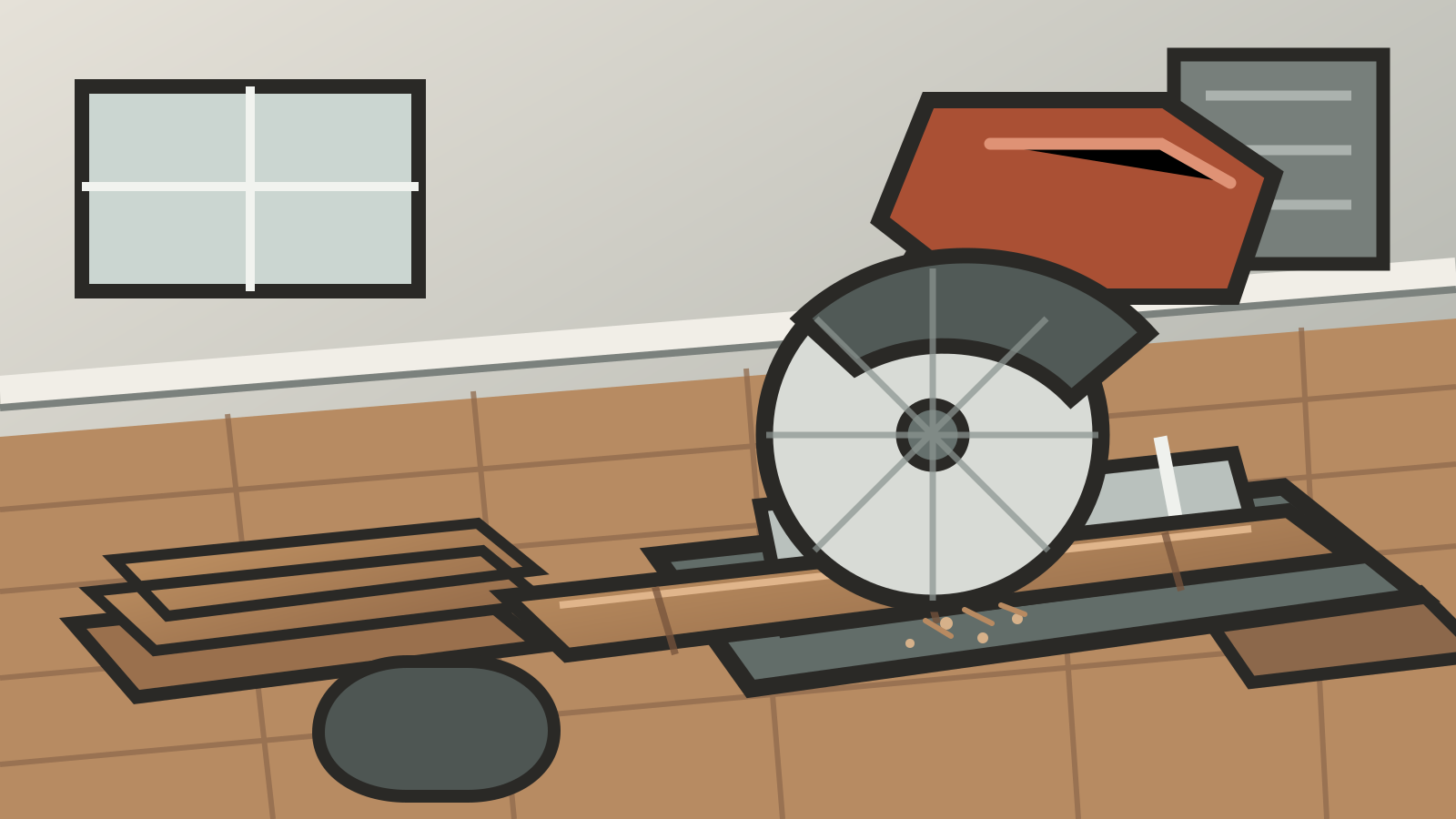 How To Cut Laminate Flooring With A Miter Saw – Hands-on Guide
 Cutting Aluminum Gutters with Miter Saw – 4 Steps Made It Easier!
 How to Cut Aluminum with Miter Saw? 5 Easy-Peasy Steps
Sizes and capacity
 7 1/4 vs. 10 Inch Miter Saw – Which Beats the Battle?
 Is A 7 1/4 Miter Saw Worth The Investment?
 Will a 12 Inch Miter Saw Cut a 6x6? [Secret Revealed]
Blades
 10 Inch Blade on 12 Inch Miter Saw: Is It Okay or Not?
 80 vs 100 Tooth Miter Saw Blade: Who Beats the Battle?